

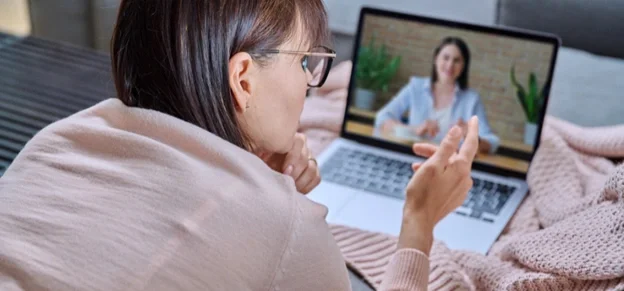
If you are considering online therapy, one question often comes up before scheduling a first appointment: Can you really build a strong relationship with a therapist through a screen?
The short answer is yes. A strong therapeutic relationship is built through trust, communication, consistency, and mutual understanding, not the physical location where therapy takes place. For many people, virtual therapy provides the same opportunity to develop a meaningful connection with a therapist as in-person counseling.
It is normal to wonder whether online therapy will feel less personal, especially if you have never worked with a therapist before. However, after a few sessions, many people find that the technology fades into the background and the focus shifts to the conversation, support, and therapeutic process itself.
Why the Therapist-Client Relationship Matters So Much
The relationship between you and your therapist, often called the therapeutic alliance, is considered one of the most important factors in successful therapy outcomes.
Therapy requires a level of vulnerability that can be difficult to access without a sense of safety. Trust allows you to be honest about your darkest fears, your past mistakes, and your current struggles. When you feel emotionally safe, you are more likely to engage in the work of healing. This trust is not built in a single moment; it is cultivated through consistent interaction and the knowledge that your therapist is reliable, present, and invested in your well-being.
Research consistently shows that when clients feel heard, understood, and validated, treatment outcomes improve. This connection fosters a collaborative partnership where you and your therapist act as a team. When you feel that your therapist truly taps into your perspective, you are more likely to set meaningful goals and stay engaged in your treatment, even when the work becomes challenging.
What Actually Builds a Strong Therapeutic Relationship?
Feeling Understood
Through active listening, empathy, and validation, a therapist makes you feel like an individual, not just another case file. Over time, your therapist learns your history and what makes you tick, so the more sessions you attend, the stronger the relationship becomes.
Consistency and Reliability
Regular, predictable sessions help create a sense of familiarity and trust, making it easier to build momentum over time. Knowing that your space for reflection is waiting for you at the same time each week helps lower anxiety and makes way for therapeutic progress.
Open Communication
A strong relationship is a two-way street. It involves the ability to discuss your progress, ask questions about the therapeutic process, and provide feedback on what is or isn't working for you.
Can Those Elements Happen Through Online Therapy?
The qualities that help build a strong therapeutic relationship are not exclusive to in-person therapy. Trust, consistency, communication, and emotional connection can all develop through virtual sessions as well.
One reason online therapy has become increasingly popular is that accessibility often improves consistency. When therapy is easier to attend, people are less likely to postpone appointments during busy periods. Over time, that consistency can strengthen the therapeutic relationship and support long-term progress.
You might be surprised by how quickly the screen fades into the background when you’re attending an online therapy session. Many people find that after a few sessions, the virtual format begins to feel natural and conversational.
Modern teletherapy utilizes high-quality video that captures the nuances of facial expressions, tone of voice, and body language, all of which are essential cues that allow for human connection. The convenience of virtual therapy can also support stronger therapeutic relationships by making it easier to attend sessions consistently. By removing the stress of commuting, arranging transportation, or navigating busy schedules, many people find it easier to stay engaged in the therapeutic process. For many, being in the comfort of their own home or office, a space where they feel safe, actually encourages them to open up more quickly than they might in a sterile office environment.
There is a common misconception that therapy requires physical proximity to be "real." In reality, therapy is built on human presence, not physical presence. Connection is an internal experience driven by trust and consistent engagement.
When you strip away the commute and the logistics, what remains is the dialogue. If your therapist is skilled at creating an empathetic, non-judgmental space, that energy translates through a computer just as effectively as it does across a room.
Also Read: How Virtual Psychiatric Care Fits Into Long-Term Treatment
What Patients Often Overlook About Online Therapy
Many people assume that if online therapy feels slightly awkward during the first session, it means virtual therapy is not a good fit. In reality, building trust with a therapist takes time regardless of whether sessions take place online or in person.
Another common misconception is that the screen creates distance. For many patients, the opposite is true. Being in a familiar environment can make it easier to open up, discuss difficult topics, and engage more consistently in treatment.
What often matters most is not whether therapy is virtual or in person, but whether you feel comfortable with your therapist's communication style, approach, and ability to understand your concerns. Therapist fit tends to have a much greater impact on the therapeutic relationship than the format itself.
Situations Where Online Therapy May Work Especially Well
While therapy is a personal choice, certain lifestyles are perfectly suited for the flexibility of telehealth therapy, including:
Busy Professionals: When your calendar is packed, virtual sessions can fit more easily into your schedule.
Parents and Caregivers: Teletherapy reduces the logistical challenges of arranging childcare and transportation.
Individuals Managing Anxiety: Attending sessions from a familiar environment may make it easier to begin therapy.
People Who Travel Frequently: Virtual care allows for greater continuity when work or personal obligations require travel.
When In-Person Therapy May Be Preferred
While online therapy works well for many individuals, it is not the best fit for every situation.
You may prefer in-person therapy if:
You strongly value face-to-face interaction.
You do not have access to a private and confidential space for sessions.
You find it difficult to stay engaged during video conversations.
Technical challenges regularly interfere with communication.
Your specific clinical needs are better addressed through in-person care.
Choosing between online and in-person therapy is not about which option is better overall. It is about identifying which environment allows you to engage most effectively in the therapeutic process.
Signs You're Building a Strong Relationship With Your Therapist
You Feel Comfortable Being Honest
You do not feel pressure to present a perfect version of yourself. Instead, you feel increasingly comfortable discussing difficult thoughts, emotions, and experiences.
You Feel Heard and Understood
Your therapist remembers important details, understands your concerns, and helps you feel validated even when discussing challenging topics.
You Notice Progress Between Sessions
Growth does not always happen overnight, but you begin recognizing patterns, using new coping skills, and approaching situations differently.
You Feel Comfortable Giving Feedback
A strong therapeutic relationship allows space for honest conversations about what is helping, what is not, and how therapy can better support your goals.
You Look Forward to Sessions
Even when therapy involves difficult work, many people notice that they look forward to having a dedicated space for support, reflection, and personal growth.
How to Know if Online Therapy Is Right for You
Online therapy may be a good fit if convenience, flexibility, and consistency are important to you. Many people seeking online therapy in Los Angeles choose virtual sessions because they can access support without the added time and stress of commuting across the city. The added convenience often makes it easier to prioritize mental health care and attend sessions consistently.
Online therapy may be especially appealing if you have a busy schedule, travel frequently, prefer the comfort of your own environment, or want greater flexibility when scheduling appointments.
However, the most important factor is not whether therapy takes place online or in person. It is whether you feel comfortable with your therapist and are able to engage openly in the therapeutic process. For many individuals, either format can be effective when there is a strong therapeutic connection.
Where to Get Online Therapy in Los Angeles
Strong therapeutic relationships can absolutely develop through online therapy. Trust, consistency, empathy, and communication are not limited by location. For many people, virtual therapy provides a convenient and effective way to access meaningful support while maintaining the flexibility needed for busy schedules.
If you have been hesitant to start therapy because you are unsure whether a genuine connection can happen online, speaking with a therapist may help answer that question. Many people are surprised by how quickly trust and comfort can develop once therapy begins.
At MyTheraPeace, we offer online therapy throughout Los Angeles designed to provide personalized support, meaningful therapeutic relationships, and flexible access to care from the comfort of your own space.
Schedule a free consultation today to learn whether online therapy is the right fit for your needs.